 Vulture Restaurant
We Need Vultures. Now They Need Us.
Vultures in Nepal are vital to the ecosystem. Without them, decaying animals would spread disease to water systems and eventually, people. With a 97% reduction in numbers, they face extinction. Help us change this.
Donate to save vulturesAbout us
A safe place for Nepal's vultures
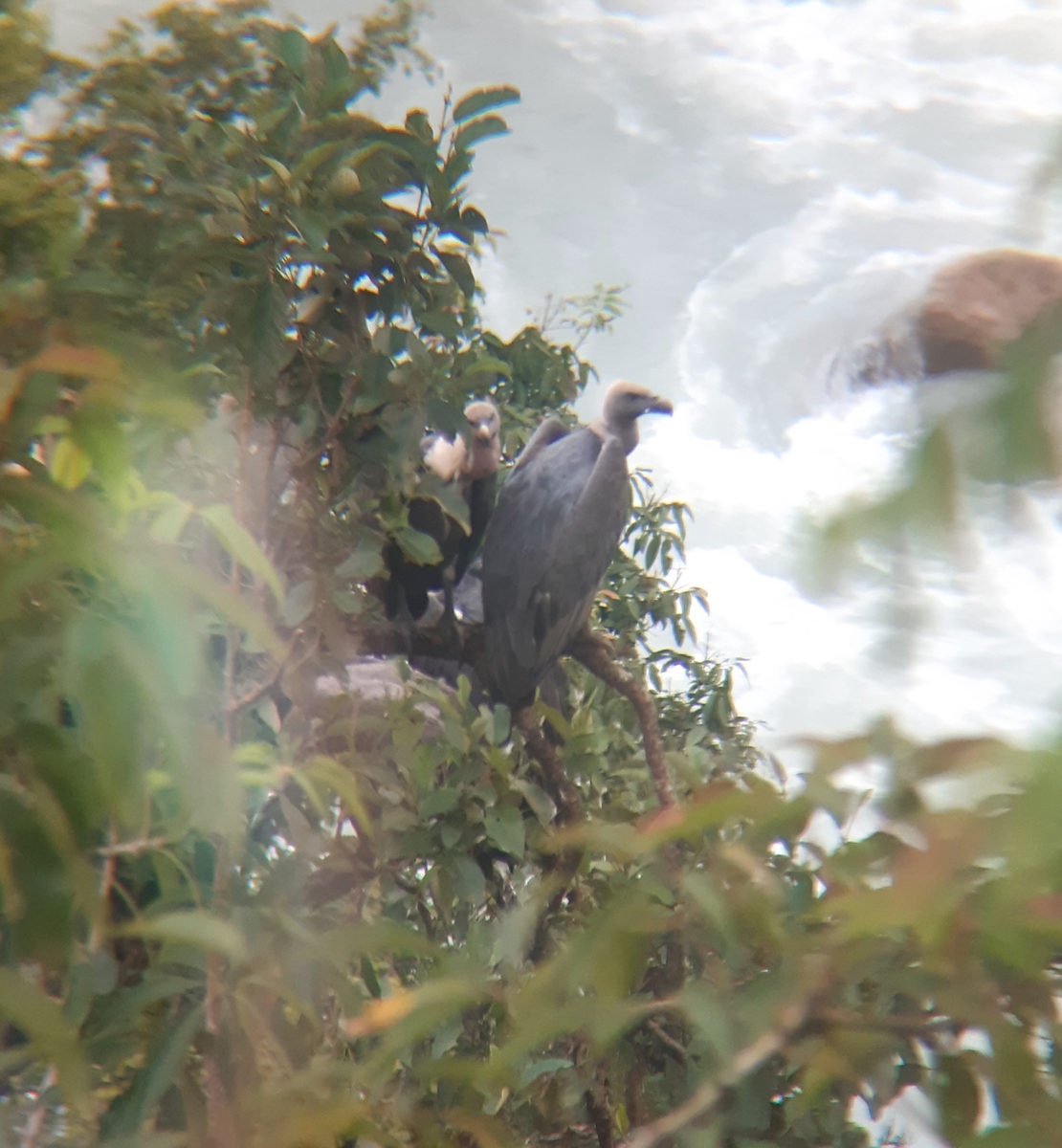
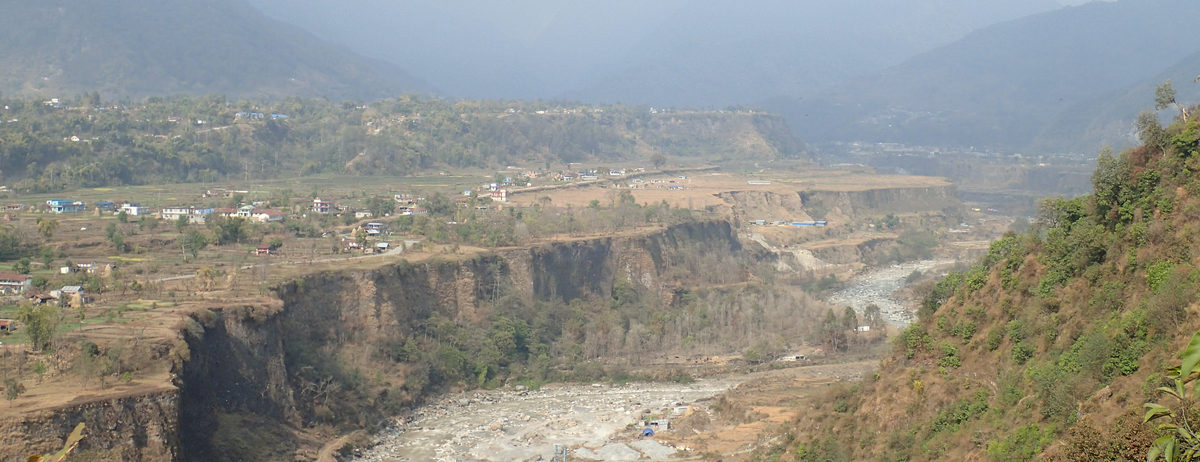
We are a volunteer run wildlife rescue centre in the Kaski district of Nepal. Our goal is reviving the highly damaged vulture population, which are threatened by diclofenac poisoning. We provide safe, toxin-free food for vultures through our cow rescue centre, creating a safe zone where numbers can rebuild.
It's our vision that by growing our vulture restaurant in size and resources, we can protect more vultures and accelerate their recovery. We are 1 of 7 vulture restaurants in Nepal, all committed to vulture conservation, and we will continue our efforts for as long as vultures are under threat.
The situation
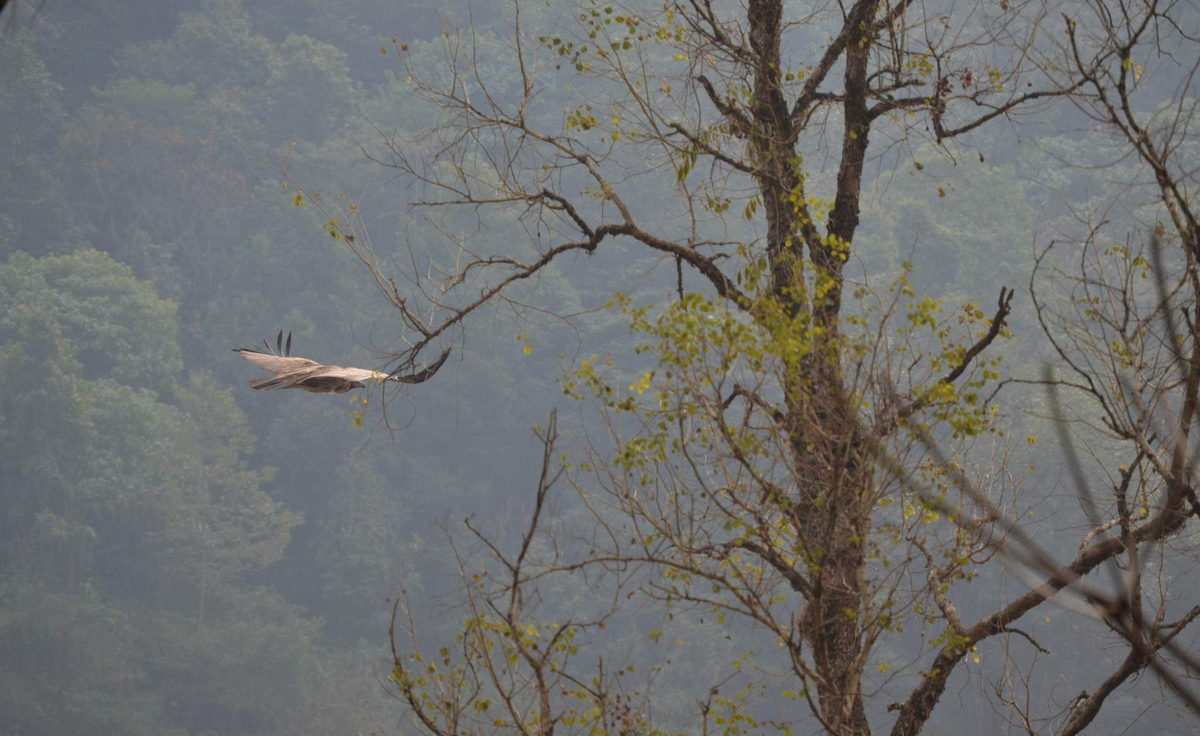
Nepal's vultures are on the edge
The diclofenac problem
Diclofenac is an anti-inflammatory drug first used in Nepal in the 1990s to treat infections in livestock. Diclofenac, however, is highly toxic to Gyps vultures (previously highly abundant in Nepal). Once ingested, the drug causes visceral gout and kidney failure, leading to death within a few days.
Since the 1990s, 3 of the most common vultures, the White-rumped, Indian and Slender-billed vultures, have declined by over 97%, with other species suffering significant losses. Diclofenac was finally banned by the government in 2006. Despite the ban, diclofenac remained prevalent in Nepal via the black market, further damaging the fragile vulture population.
Nepal's vultures today
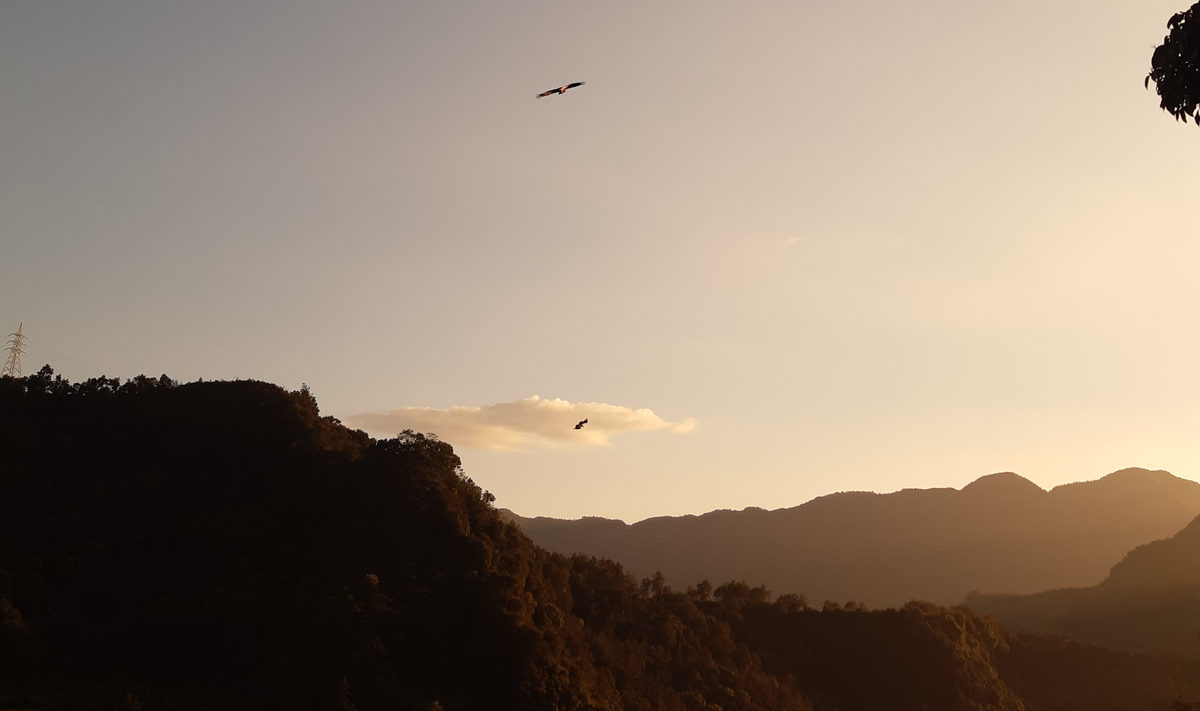
Today, due to conservation efforts, the rate at which vulture populations in Nepal are declining has been rapidly slowed. A 2020 census indicated a low but stable population since 2017 following a sharp fall between 2011 and 2016. Despite this, vultures in Nepal are around the lowest they have ever been, at around 2,312 individuals according to the SAVE Report 2021.
What we do
From cow rescue to vulture recovery
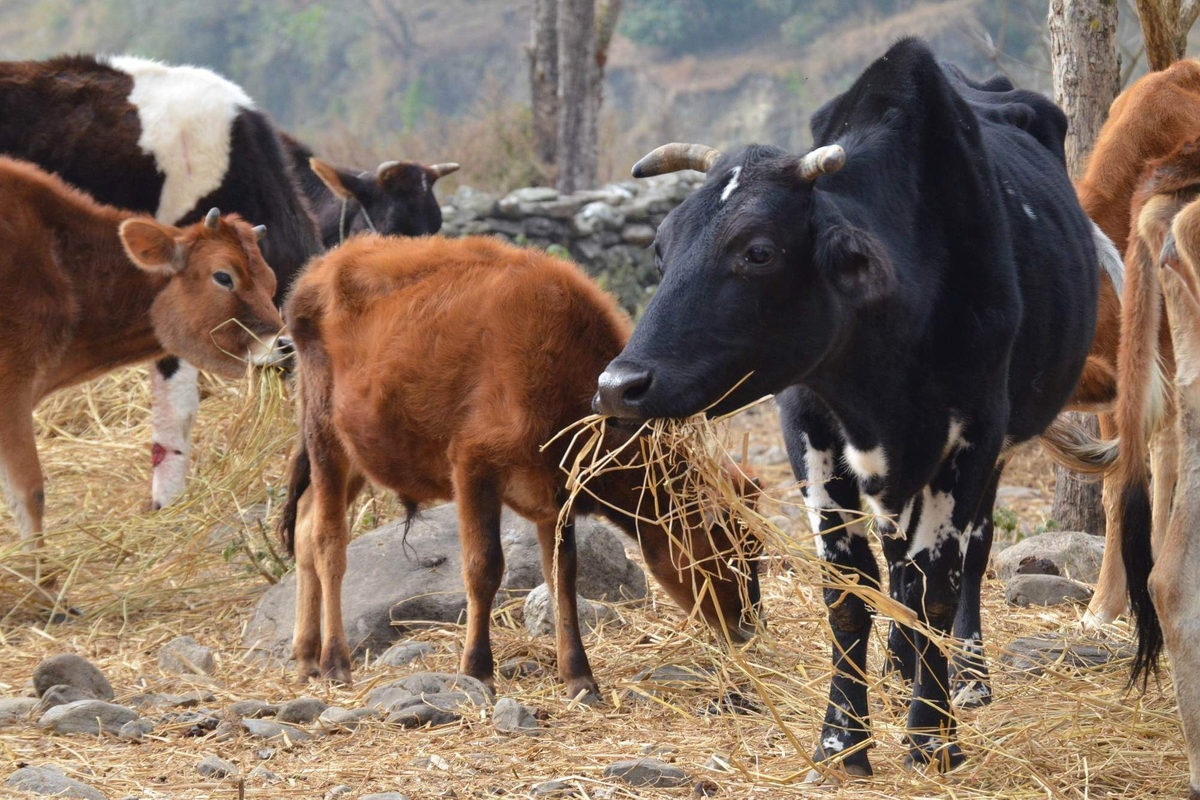
Cow Rescue Centre
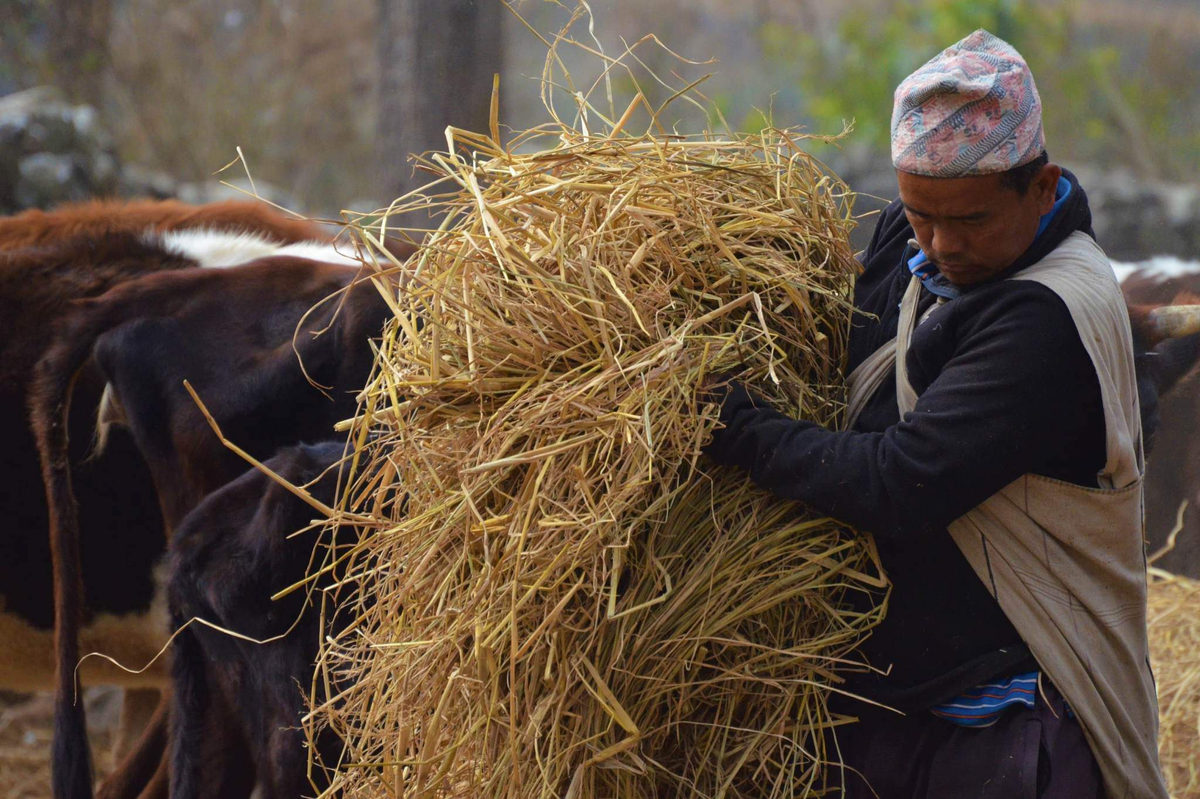
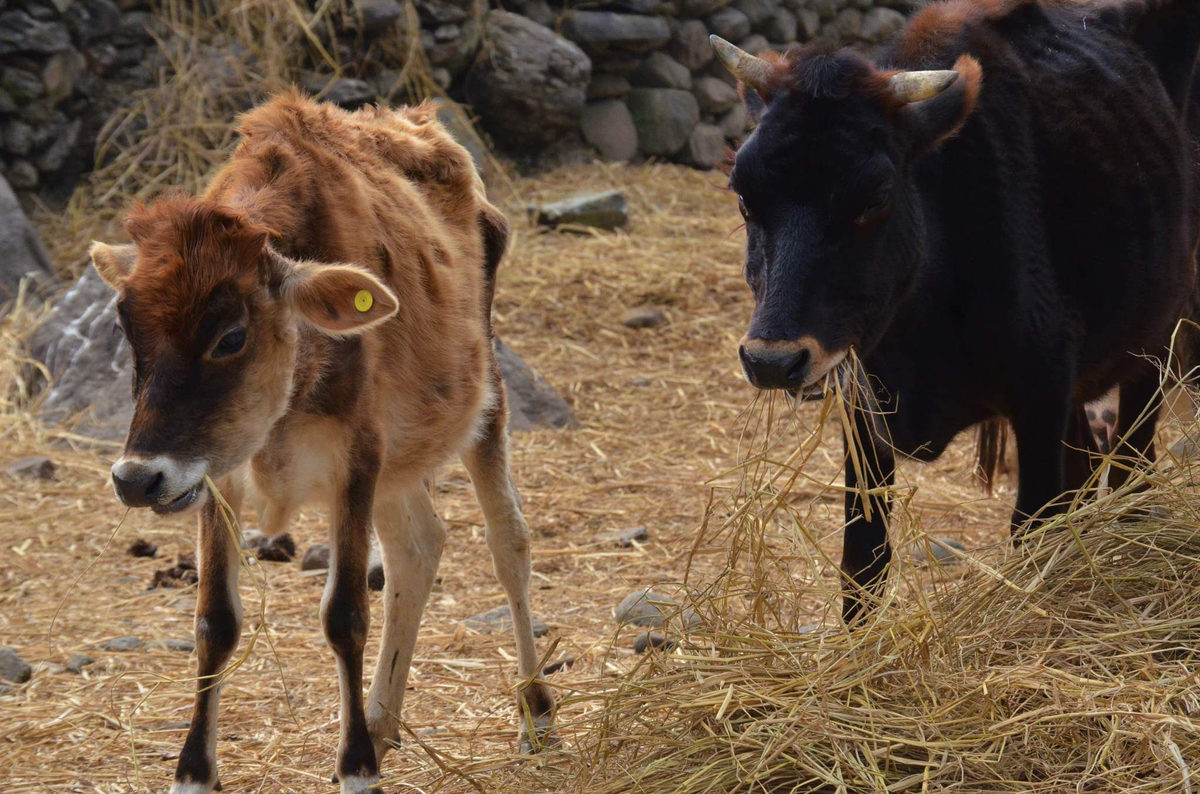
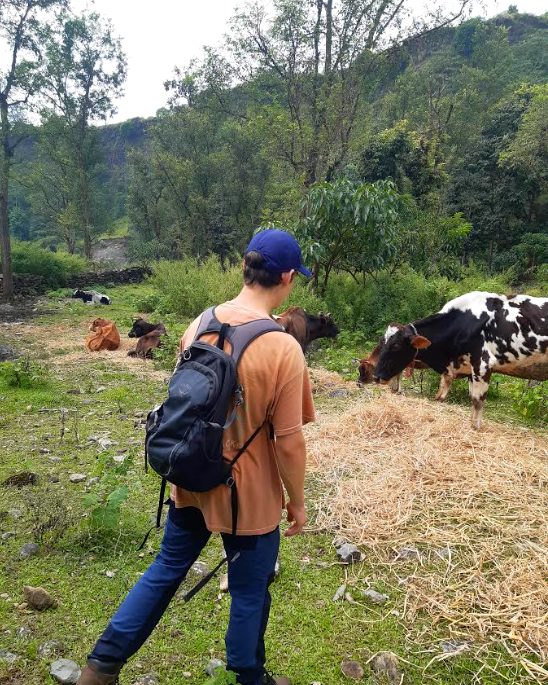
When cows are unable to work fields or provide milk due to old age or injury, farmers often deliver them to the centre, where we provide them with a safe living space, shelter and food. The rescue centre is managed by our full time cow keeper.
Vulture Feeding
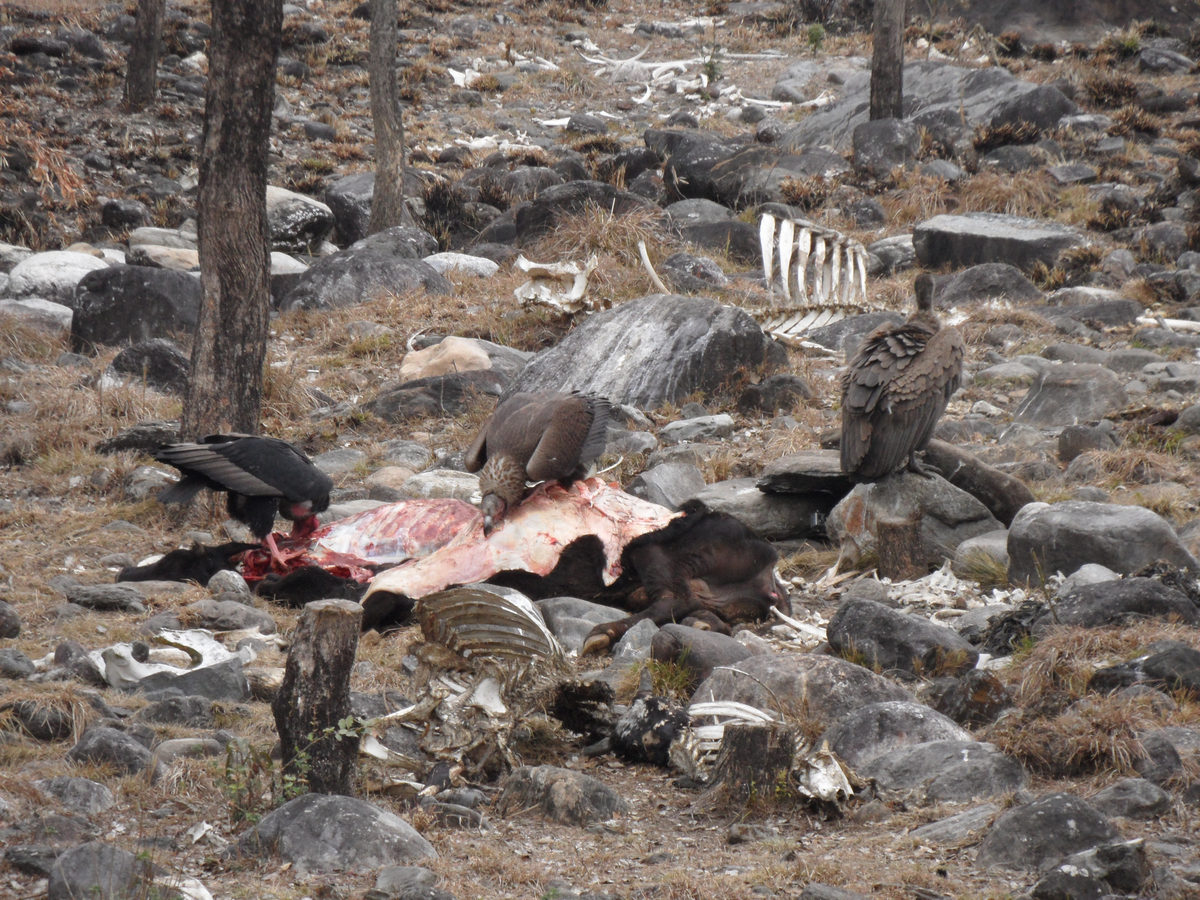
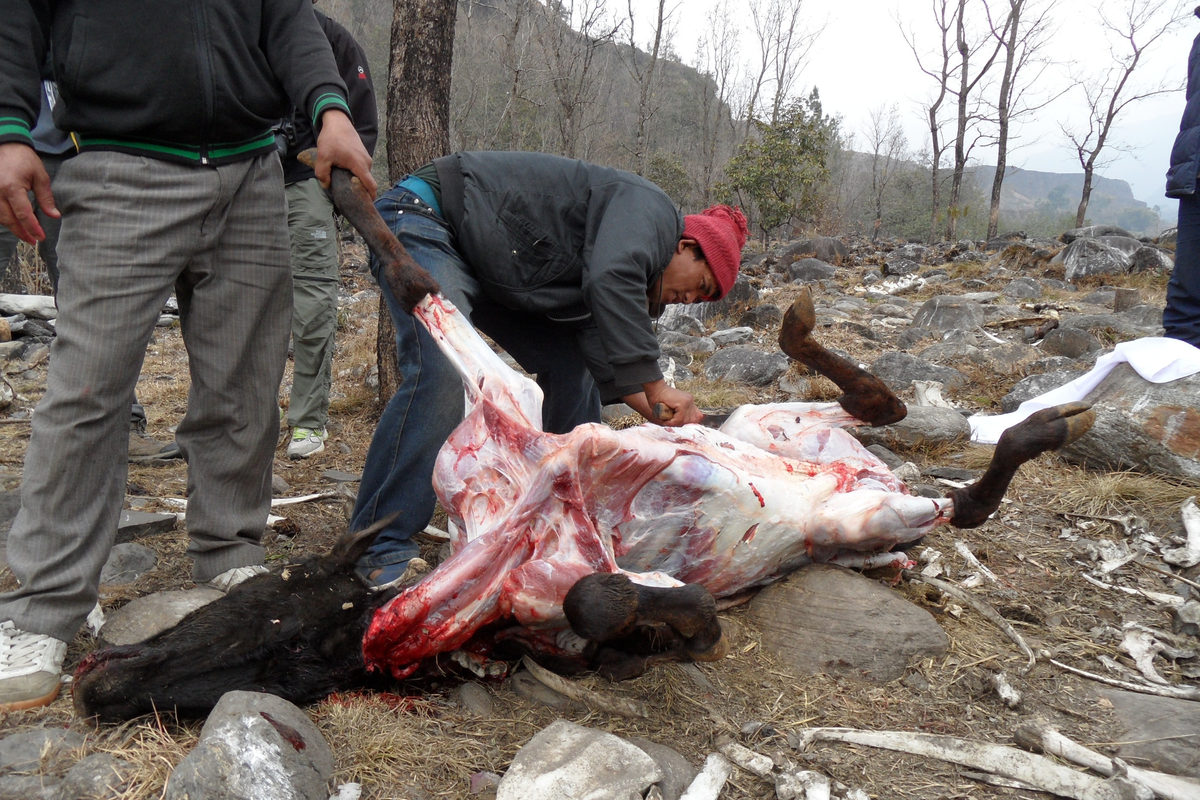
When a rescued cow dies of old age or other natural causes here at the vulture restaurant, it is prepared as toxin-free food for the vultures. The skin is removed for ease of consumption and the carcass is then left in an open space for vultures to feed.
Ecotourism
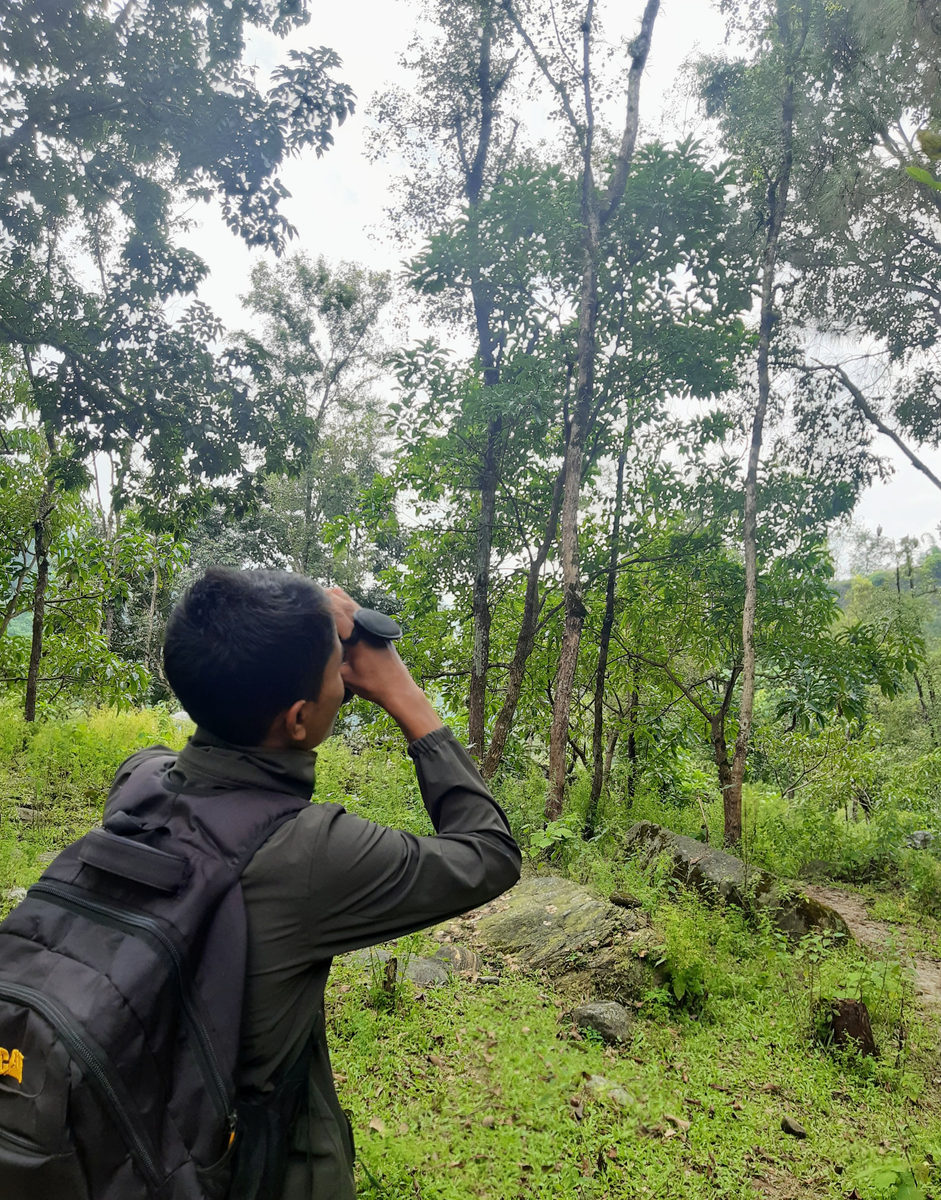
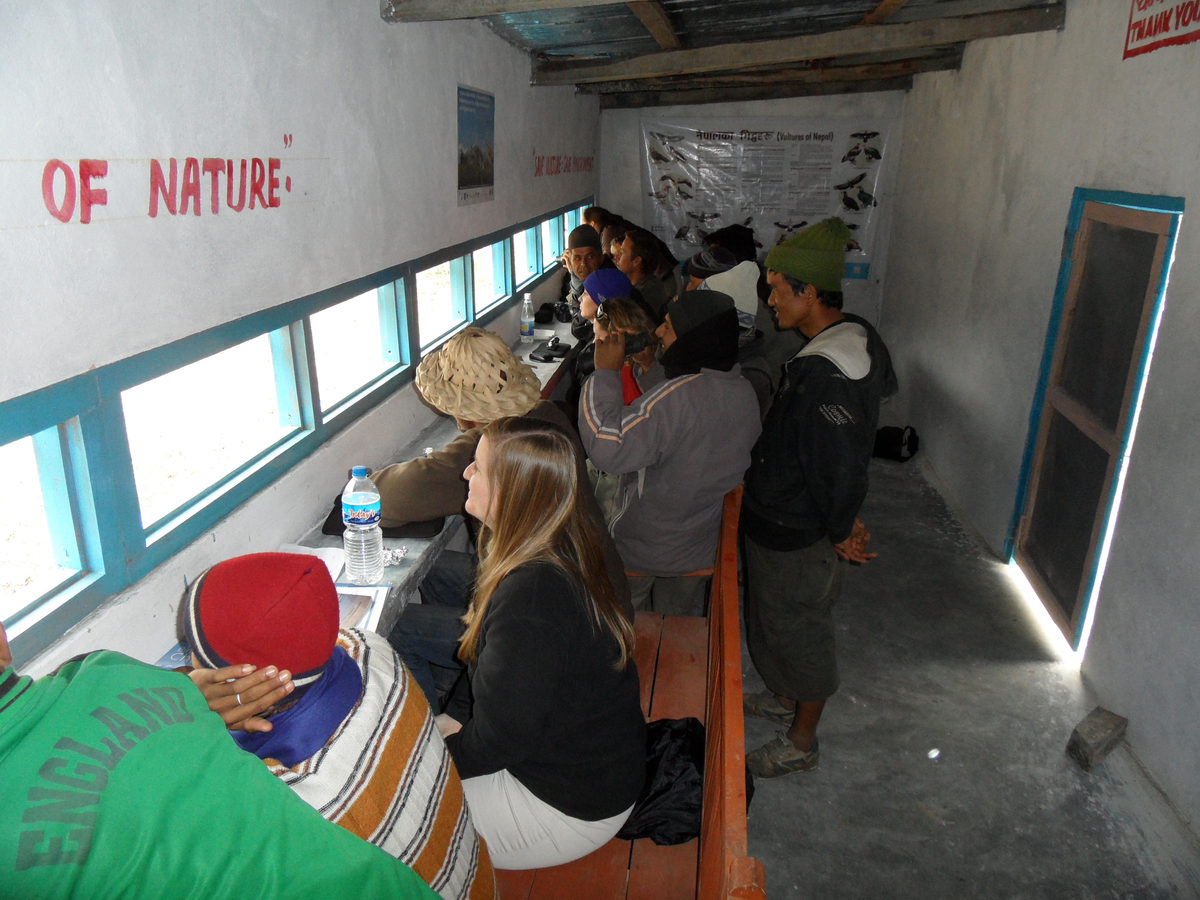
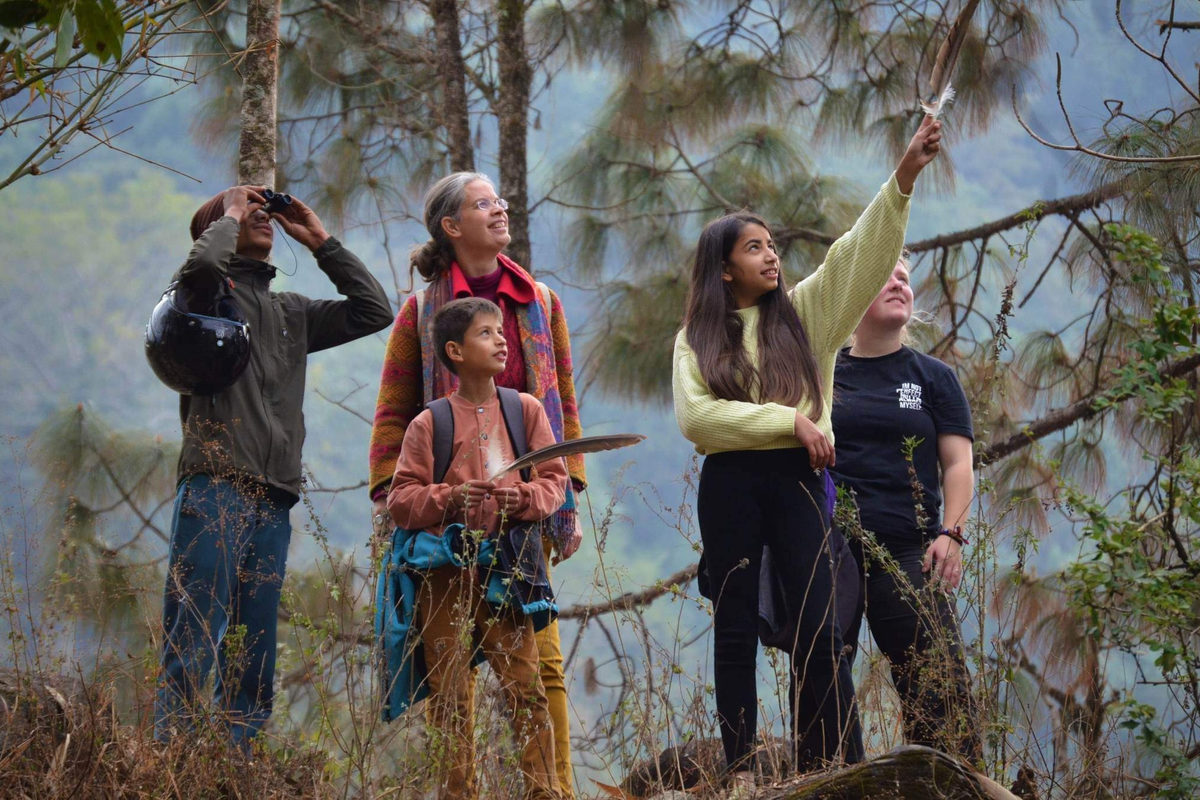
We give ecotourists the opportunity to observe vultures up close in the wild, as well as the chance to see a vulture feeding. If you're interested in visiting the vulture restaurant, please get in touch.
How our vulture restaurant works
Vulture restaurants are usually set up near known breeding colonies of vultures. The restaurant provides a regular supply of toxin-free food, allowing vultures to feed without the risk of diclofenac poisoning and spend less time foraging, reducing food competition. This attracts vultures from outside breeding colonies to the area, reducing the number of vultures at risk. Each vulture restaurant creates a safe zone of more than 30,000 km² of surrounding foraging area.
Are vulture restaurants effective?
Yes! Vulture restaurants are a well established and effective conservation tool. A 2007 study of vulture restaurants in Pakistan found that they significantly reduce vulture mortality within the colony in which they are situated. A 2015 study in France on an at-risk population of Egyptian vultures found the same effect. Most importantly, we have seen significant slowing in the rate of vulture decline since vulture restaurants were introduced in Nepal.
Why protect vultures?
Nature's clean-up crew
Vultures are vital to their ecosystem
Vultures prevent environmental contamination by consuming animal carrion, stopping harmful substances, including diseases found in decaying flesh, from spreading into the earth and river systems.
Vultures protect people
Diseases that would otherwise spread from rotting flesh are kept out of farmed soil and water systems, so zoonotic disease is not passed on to humans. This is especially important in rural Nepal, where water cleaning facilities are lacking.
Publications
Learn more about vultures
If you're interested in learning more about vultures, we highly recommend these papers. They contain a wealth of knowledge about these fascinating birds and their important role in our ecosystem.
- Analyzing white-rumped vulture breeding behaviour using Markovian modelling
- Are white-rumped vultures (Gyps bengalensis) scavengers or predators at a vulture safe feeding site?
- Factors influencing the potential distribution of globally endangered Egyptian vulture nesting habitat in Nepal
- Population viability analysis of Critically Endangered white-rumped vultures Gyps bengalensis
- Vultures of Nepal
- Socio-economic perspectives on the conservation of Critically Endangered vultures in South Asia: an empirical study from Nepal
- Status of Egyptian Vulture Neophron percnopterus in Pokhara Valley, Nepal
- Vulture conservation action plan
- Vulture distribution and people's perception of vultures in Pokhara Valley, Nepal
- Status of different vulture species by average numbers in different seasons visiting VSFS (Rupandehi) for carcass feed
Get involved
You can help
Donate
We rely primarily on donations to carry out our work, so any amount goes a very long way. Donations go through our parent organisation, Karmaflights, a non-profit based in Pokhara, about 20 km from our site.
Donate nowVolunteer
We welcome anyone who wishes to come along and work alongside us. If you are not currently in Nepal, you may still be able to help virtually.
Volunteer with usCome visit us
See vultures in the wild. Our centre is a perfect place to bird-watch, take close-up photos and learn about vultures, and you may even see vultures feeding first hand.
Plan a visit
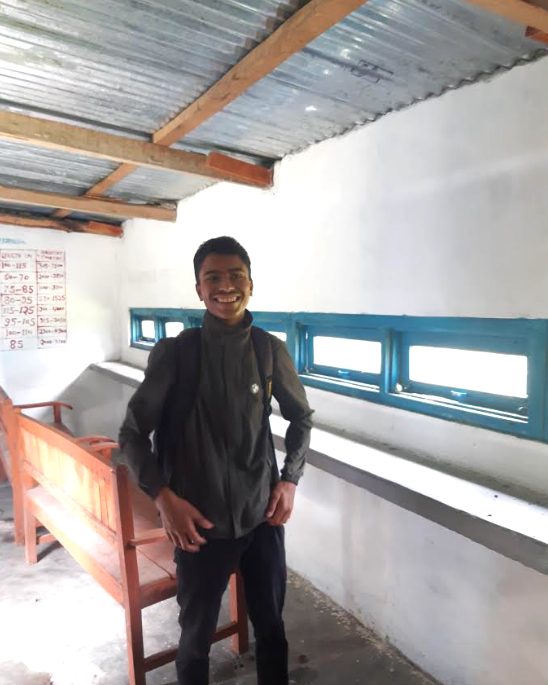
Meet your guide
Manish Pokharel
Bird watching & trekking guide and vulture conservationist, based in Ghachok, Kaski, Nepal.
Manish Pokharel is a nature enthusiast, bird watching and trekking guide, and an active vulture conservationist based in Ghachok, Kaski, Nepal.
With over 8 years of experience in vulture conservation, Manish has been actively involved in vulture monitoring, awareness programs, community-based conservation, bird identification, and the protection of vulture habitats. His long-term involvement with the Ghachok Vulture Restaurant & Cattle Care Centre has given him extensive practical knowledge of vultures and Nepal's diverse birdlife.
Bird watching
As a bird watching guide, he enjoys helping visitors discover Nepal's rich avian diversity, with a particular focus on vultures, raptors, and Himalayan birds. He combines bird identification and observation with stories about local ecosystems, conservation challenges, and the importance of vultures in maintaining a healthy environment.
Trekking
He also works as a licensed trekking guide, offering trekking and nature experiences in different parts of Nepal, including the Annapurna, Manaslu, Mustang, Everest and other mountain regions. His guiding style focuses on local culture, nature, responsible tourism, and meaningful experiences rather than simply reaching a destination.
Through both guiding and conservation work, Manish aims to connect visitors with Nepal's birds, mountains, communities and natural heritage, while promoting responsible and nature-friendly tourism.
Book a tour with ManishContact
Get in touch
Address8W3W+XGH, Ghachok 33700, Kaski, Nepal
Emailmanish@jatayuvultures.com
Phone+977 984-2273726
Follow us